Air Conditioning Installation in Plymouth
Plymouth summers are warmer than they used to be. Top-floor flats, loft conversions, south-facing bedrooms and home offices can become uncomfortable for weeks at a time, and portable fans or plug-in coolers rarely do more than move warm air around.
We install fixed, wall-mounted air conditioning for homes and businesses across Plymouth. Almost every system we fit is reversible — in other words, an air-to-air heat pump — so the same unit that keeps you cool in July heats the room efficiently from October to April.
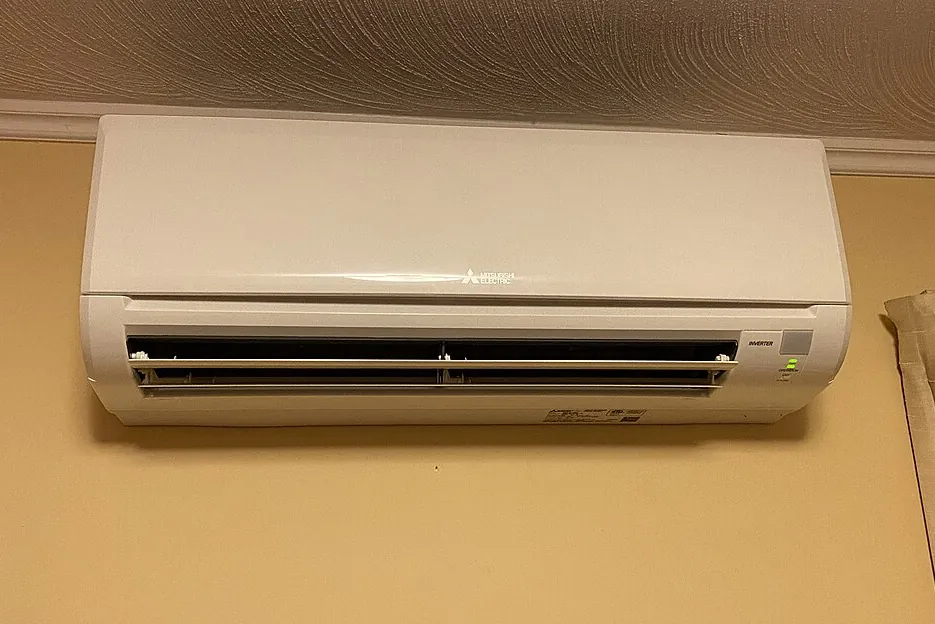
Why Fixed Air Conditioning Beats Portable Units
- Much more effective: a split system moves heat outside through sealed pipework; portable units vent hot air through a hose and pull warm air back in around it.
- Much quieter: the noisy compressor sits outside, so the indoor unit runs quietly enough for bedrooms.
- More efficient: modern split systems use far less electricity for the same cooling.
- Heating too: a reversible system also heats, often more cheaply than your existing heating in that room.
- Out of the way: no window hoses, no unit taking up floor space, nothing to store in winter.
Rooms We Cool Most Often
Bedrooms
Sleep suffers when bedrooms stay above about 24°C overnight. A quiet unit set to a comfortable temperature, with a night mode, makes a real difference in heatwaves.
Loft conversions and top-floor flats
Heat rises and roofs absorb sunshine, so these rooms are often the hottest in the building. They’re also frequently heated by electric heaters in winter, which makes a reversible system especially cost-effective.
Home offices
Computers and screens add heat, and many offices are small rooms at the back of the house. A single compact unit keeps the room productive all year round.
Conservatories and garden rooms
Too hot in summer and too cold in winter. A reversible unit sized for the glass area makes these rooms usable in every season.
Air Conditioning for Businesses
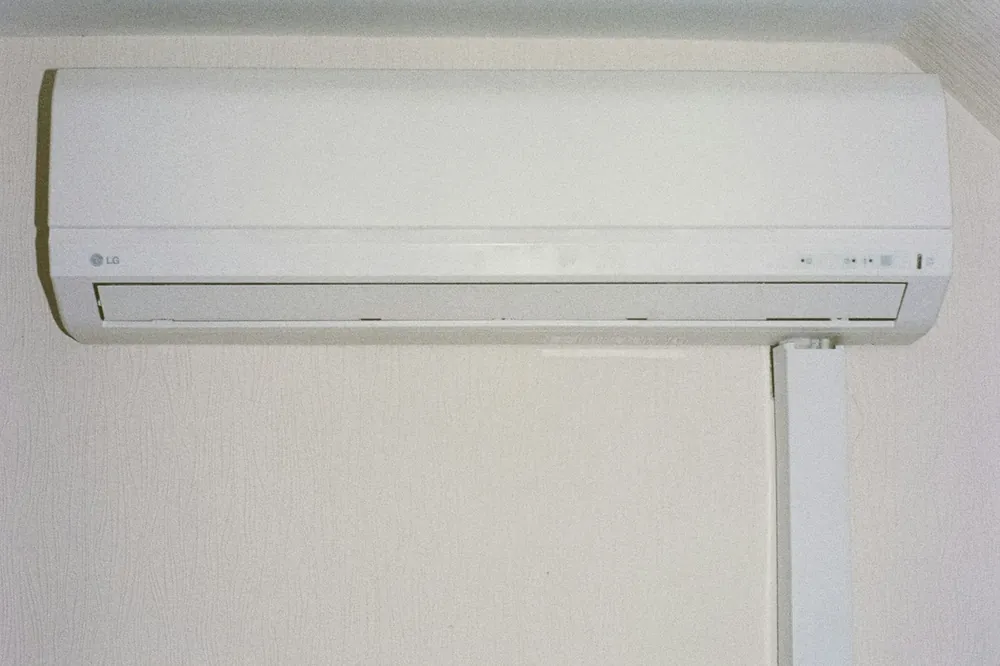
We also install air conditioning for small offices, shops, salons, consulting rooms, cafés and server or comms rooms in Plymouth. Commercial systems are sized for the number of people, equipment and glazing, and can be fitted out of hours to avoid disrupting trade. For larger systems, F-gas regulations may require periodic leak checks and record keeping; we explain what applies to your installation and can include it in a service plan.
How We Plan an Installation
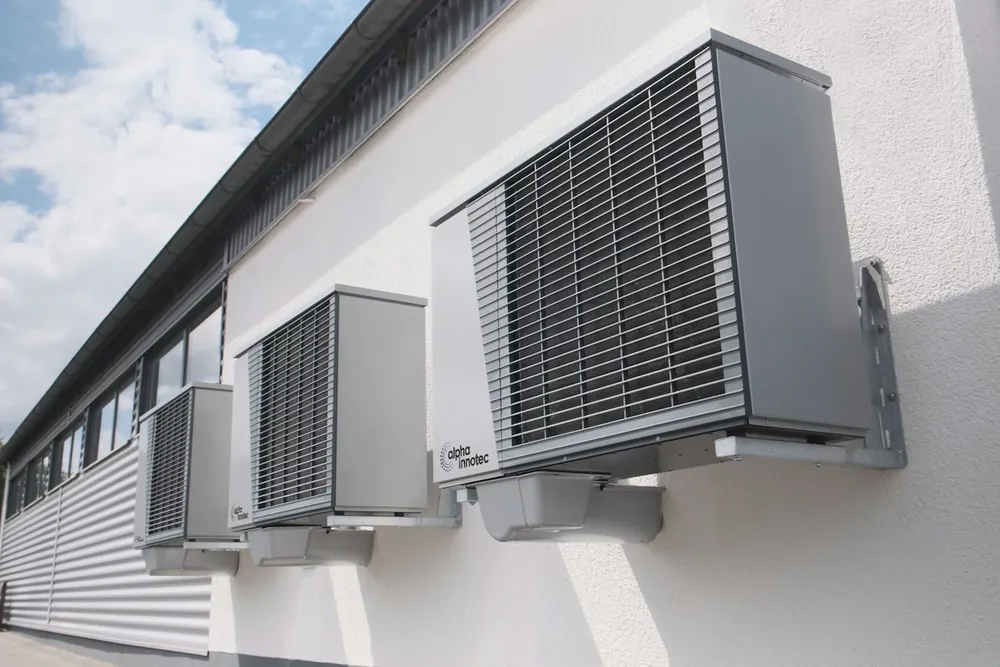
We survey each room, looking at its size, orientation, glazing, insulation and what it’s used for, then size a unit to cope with hot afternoons without being oversized. We agree the best wall for the indoor unit, a position for the outdoor unit that keeps noise away from bedrooms and neighbours, and the route for pipework and condensate drainage. You receive a fixed written quote and an installation date.
All refrigerant handling is carried out by F-gas qualified engineers, as the law requires, and every system is pressure-tested, evacuated and commissioned before handover.
Booking Ahead of the Summer Rush
Demand for air conditioning rises sharply during heatwaves, and lead times for installers lengthen. Booking a survey in spring — or installing in autumn and using the system for heating over the winter — avoids the queue and means you’re ready before the first hot spell.
Grants and Air Conditioning
A cooling-only system doesn’t qualify for a grant. A reversible system installed as an air-to-air heat pump, replacing fossil fuel or electric heating in a property you own, may qualify for the £2,500 Boiler Upgrade Scheme grant. See our grant page for details.
Looking After Your System
Clean the indoor filters every few weeks during heavy use, keep the outdoor unit clear of leaves and garden clutter, and book a service once a year. Regular maintenance keeps the system efficient, hygienic and quiet. See servicing and repairs.
Choosing the Right Size of Unit
Air conditioning units are rated in kilowatts (kW) or British thermal units (BTU). A small bedroom might need a 2.0 to 2.5kW unit, a larger living room 3.5kW or more, and an open-plan kitchen-diner or a conservatory with a lot of glass more again. The right size depends on far more than floor area: a west-facing loft room under a slate roof gains much more heat on a summer afternoon than a north-facing ground-floor room of the same size.
We work out the cooling load for each room from its dimensions, glazing, orientation, insulation, occupancy and equipment, and check the heating load too, since the same unit will warm the room in winter. That way the system is comfortable in both seasons rather than being sized for one and struggling in the other.
Quiet Operation for Bedrooms and Neighbours
Noise is the most common worry we hear. Indoor units on their lowest fan speed are typically very quiet, and most have a night or silent mode that limits fan speed and dims the display. Outdoor units are louder but still modest; the key is position. We avoid placing them beneath bedroom windows, in enclosed corners that amplify sound, or directly against a neighbour’s boundary, and we fit anti-vibration mounts as standard.
On terraced streets in areas such as Mutley, Stoke and Lipson, where back yards are small and close together, we take extra care to find a position that works for you and for the people next door.
Air Quality, Filters and Humidity
Every indoor unit has washable filters that catch dust, and many models add finer filters that help with pollen and other particles. When cooling, the system also removes moisture from the air, which drains away through a small condensate pipe. In Plymouth’s often humid summers, a dry mode can make a room feel noticeably more comfortable without lowering the temperature much at all.
Keeping the filters clean is the single most important thing you can do to keep air quality and efficiency high, and it only takes a few minutes.
Smart Controls and Running Your System Efficiently
Most systems we fit can be controlled from a phone app as well as the handheld remote, so you can cool a bedroom before you get home or check the system while you’re away. To keep running costs down, set the cooling temperature to something comfortable — around 24 to 26°C is usually enough to feel the difference on a hot day — close windows while the system is running, and use blinds to keep direct sun out of south and west-facing rooms.
Typical prices in Plymouth
Air conditioning and air-to-air heat pumps use the same equipment, so prices are the same. A single bedroom or office is the most common starting point.
- Single-room air-to-air heat pumpAbout £1,500 to £3,500
- Two-room system (multi-split)About £3,000 to £6,000
- Whole-home system (4+ rooms)About £5,000 to £12,000+
- Air source heat pump (air-to-water)About £8,000 to £14,000
Guide prices only. Every home is different, so your fixed price comes in a written quote after a free home survey. See full pricing.